[00:08] — Meet Chip Forstall
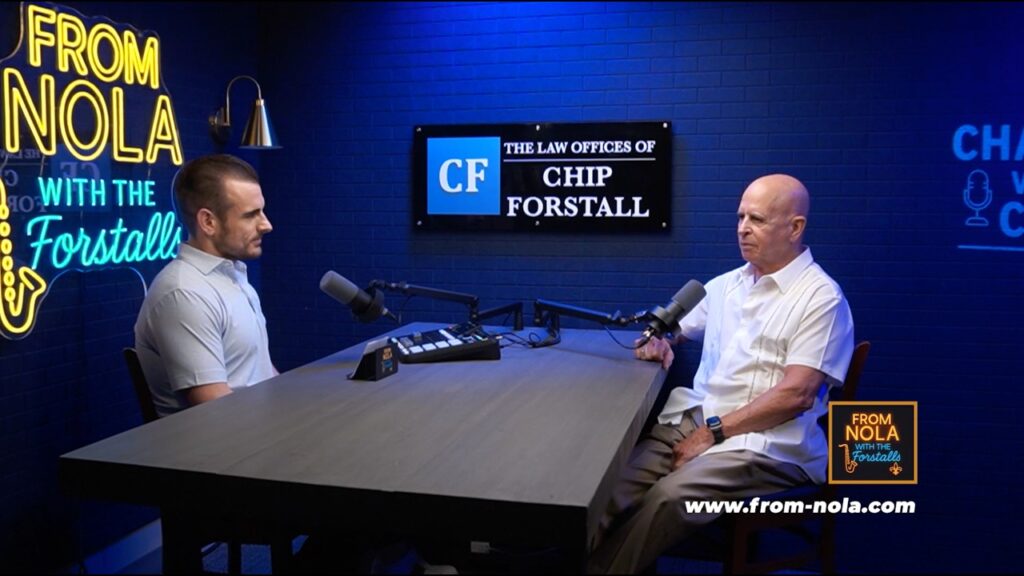
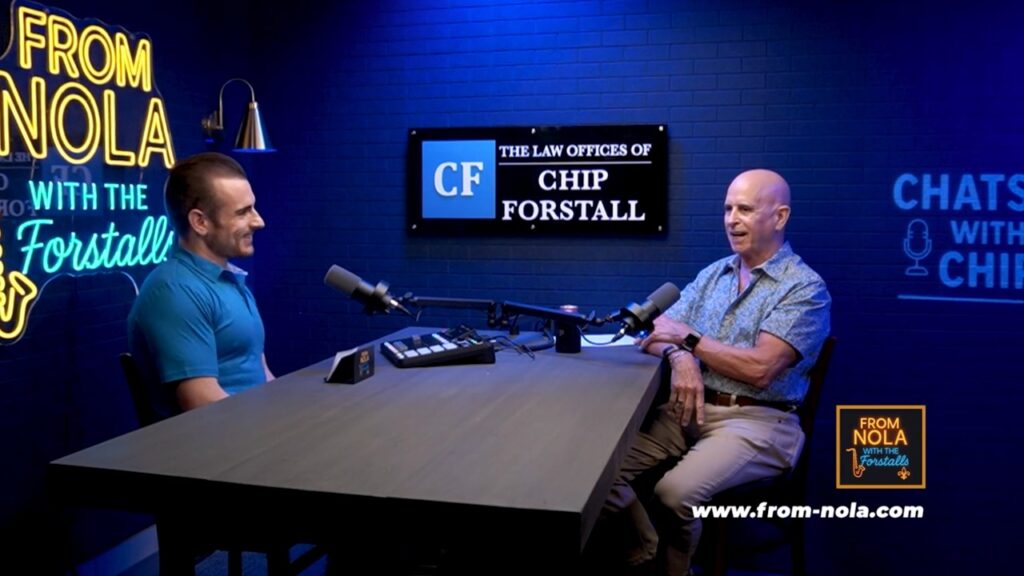
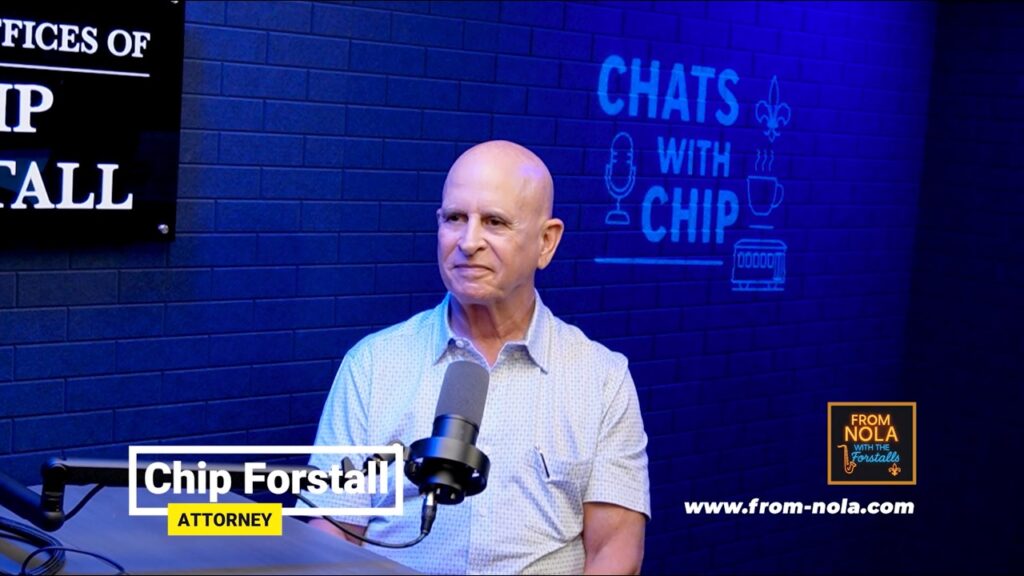
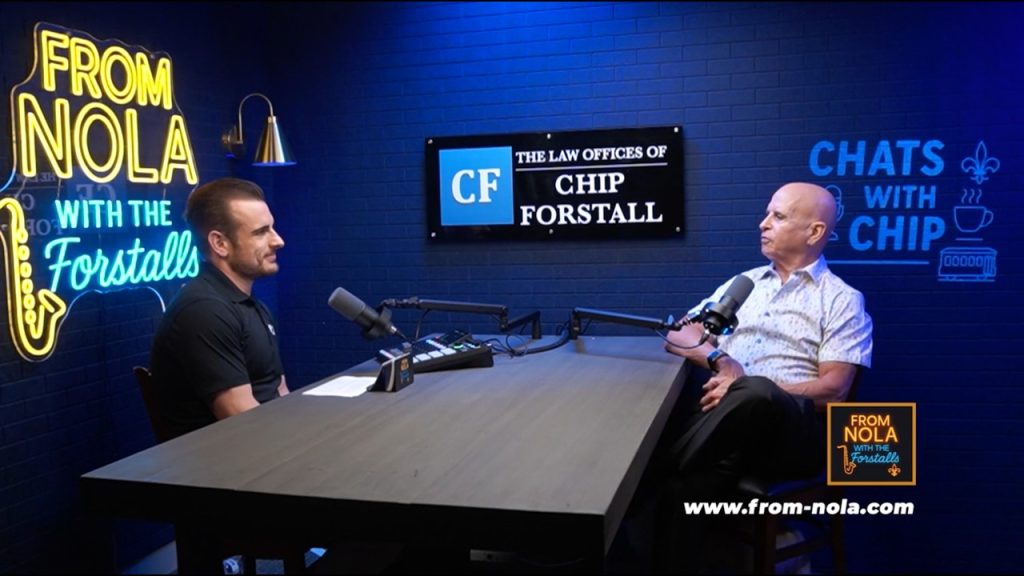
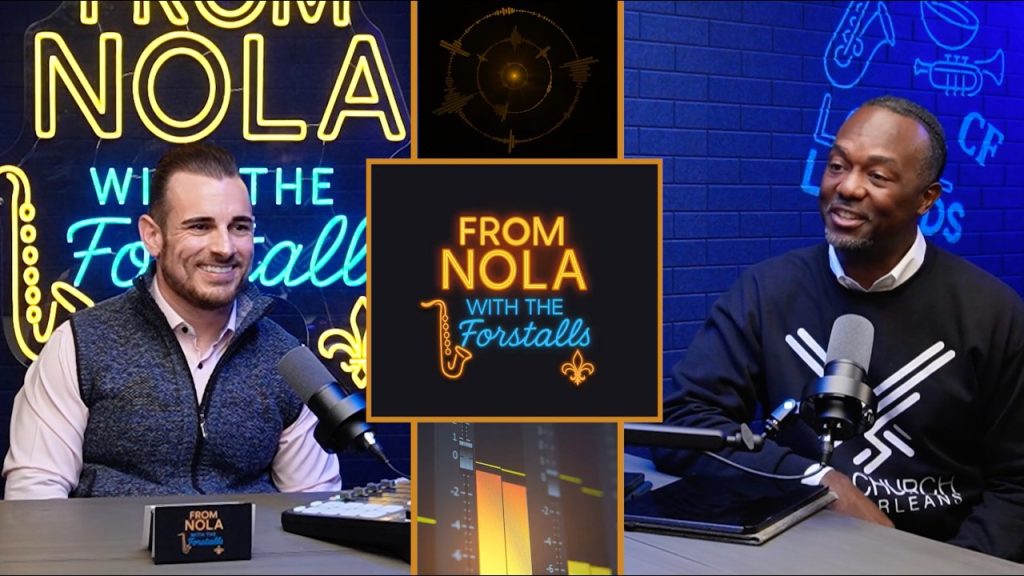
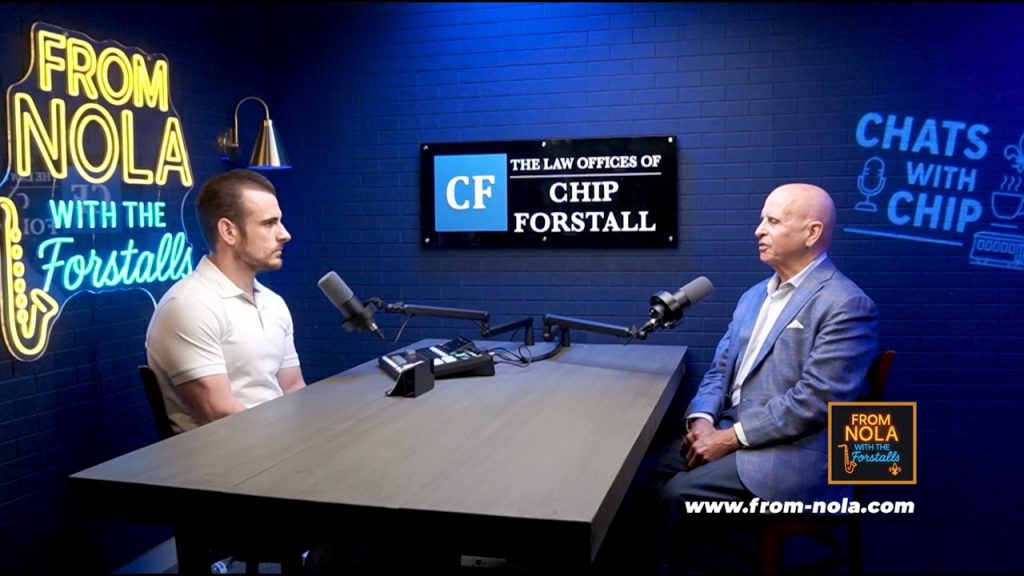
Jonathan introduces his father Chip for a conversation on what to do right after a crash.
[00:55] — The Envelope That Started It All
Why Chip created a glove-box envelope with step-by-step instructions, after even experienced people froze up at the scene.
[02:30] — First 2 Calls: Police, Then Your Lawyer
Call police first, then call the firm during office hours for live guidance, help with tow trucks and what to document
[03:14] — Photograph Everything at the Scene
License plate, insurance card, driver’s license, car positions and damage, plus nearby businesses with cameras before footage is overwritten.
[07:26] — Lean on Someone Dispassionate
Adrenaline and emotions cloud decisions, so lean on a calm third party instead of trusting yourself in the moment.
[11:07] — Stories Change After the Scene
The St. Claude Avenue case where the other driver flipped her story on Monday, and why a police report locks in the truth.
[14:29] — Don’t Rush to the Hospital for Minor Injuries
ER bills can hit $9K-$10K on a $15K policy, so call the firm first to get routed to appropriate care the same or next day.
[18:22] — Get Witness Name, Number and Video
A name alone is worthless — have the witness call your phone to lock the number and record what they saw on video if you can.
[23:45] — Better Safe Than Sorry: The Otis Story
Otis thought it was just soft-tissue pain, then needed neck surgery months later — why you only get one shot to document injuries.
[27:15] — Why Clients Choose the Forstalls
Personal attention, empathy, and repeat third-generation referrals from treating clients like family, not a case number.
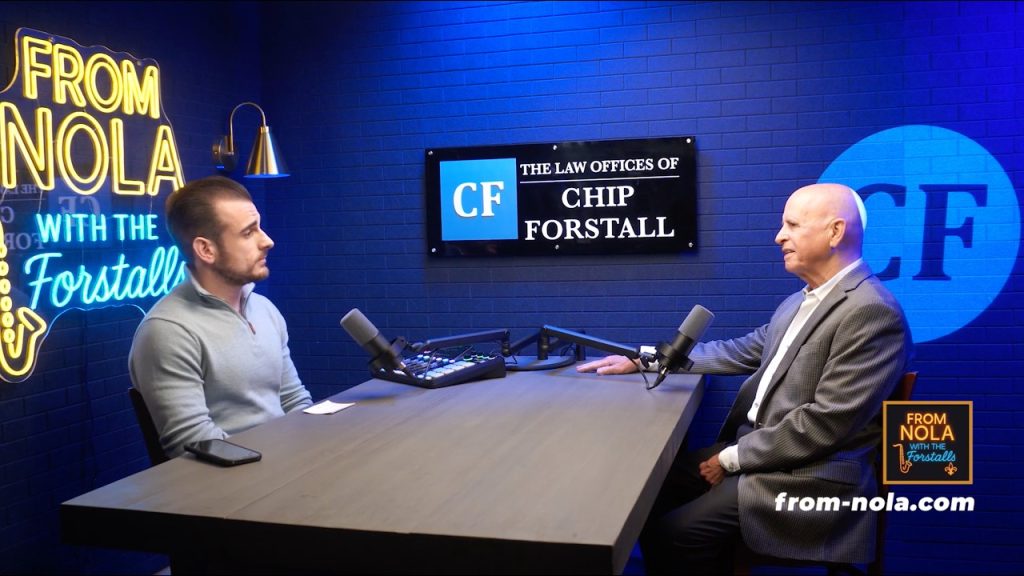
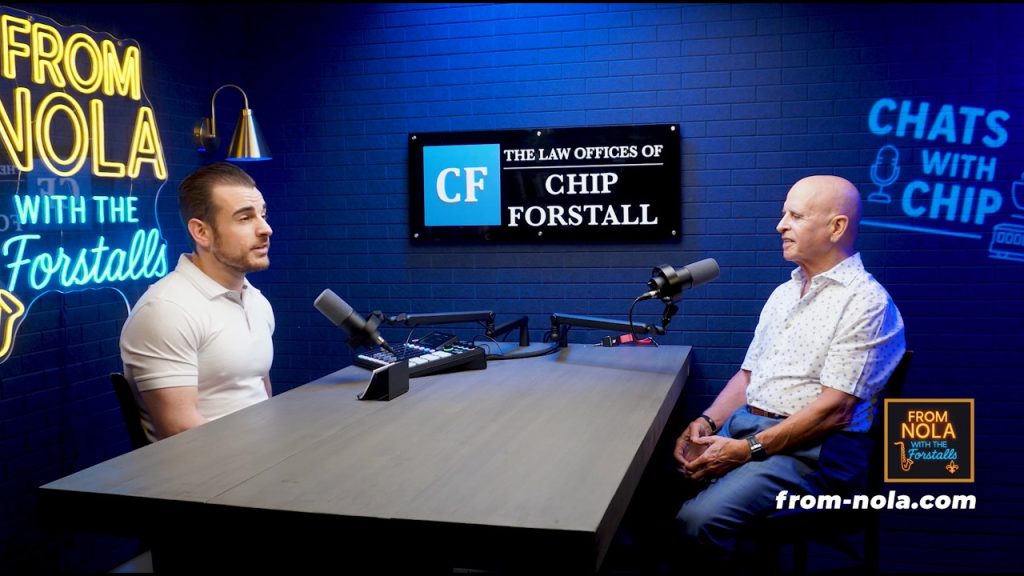
In this episode of Chats with Chip, part of the From NOLA with the Forstalls Podcast, Jonathan Forstall sits down with his father, longtime New Orleans attorney Chip Forstall, to talk about the biggest mistakes people make in the moments after a car accident, and what you should do in the first 72 hours to protect yourself.
After a crash, emotions are high, adrenaline is pumping, and many people forget the simple steps that can make or break their case. Chip shares decades of experience helping accident victims and explains why documentation, photos, witnesses, police reports, and acting quickly are so important.
In this episode, Jonathan and Chip discuss:
- What to do immediately after a car accident
- Why photos and videos at the accident scene matter
- Why getting a police report can protect you later
- What information you should collect before leaving the scene
- Why nearby cameras and video evidence can disappear quickly
- How witness statements can impact your case
- When to seek medical attention after a crash
- Why insurance companies start investigating immediately
- Common mistakes people make after an accident
Chip also shares real stories from cases he has handled throughout his career, including how quickly stories can change after people leave the accident scene, and why protecting evidence early can make all the difference.
Whether you live in New Orleans, Louisiana, or anywhere else, this conversation gives practical advice on staying prepared and knowing what steps to take if you’re ever involved in an accident.